
1
Building Skills for an Unpredictable Future

"The child whose father did everything for them in autumn – told them where to put their jacket and when to take off their backpack – finds it much harder in class now. They can't get their notebook out of their bag... I tell children: 'Don't let your parents organize your school bag; they mess everything up. Take care of your things yourself.'"
Policy Recommendation
💡 Education systems should support schools in integrating work-life themes into primary learning.
💡 To inform teachers' practices one can use outcomes of the EU-funded project WISH that will start next month which will provide practical examples and tools to integrate work‑life topics and general skills.
💡 To inform teachers' practices one can use outcomes of the EU-funded project WISH that will start next month which will provide practical examples and tools to integrate work‑life topics and general skills.
2
Connections Between Classroom Learning and Real-Life
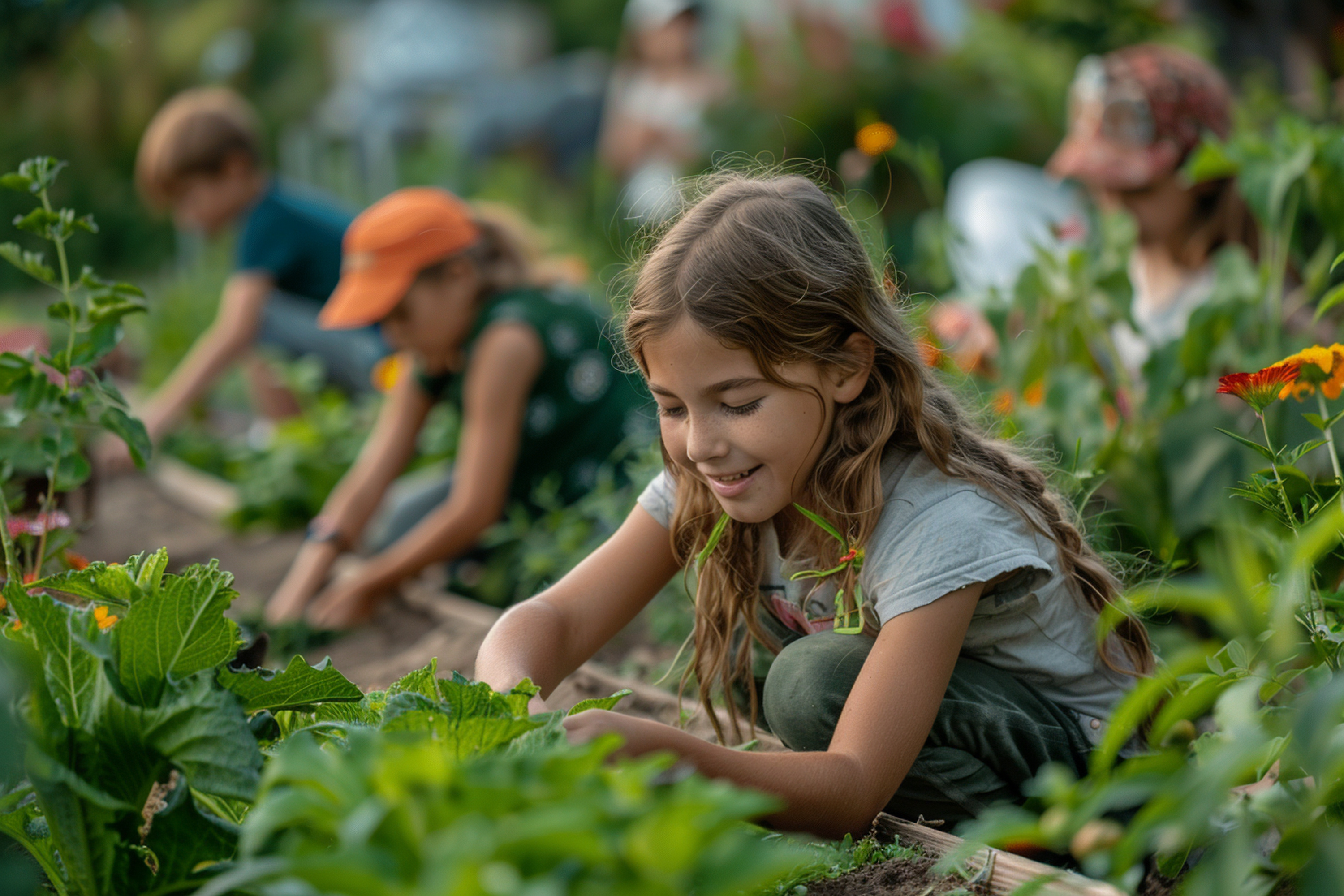
"Your mother works at a store, right? Can she scan half the items at the checkout and leave the other half unscanned? No, she can't do that. But your mother is a hairdresser. What if she cuts half the hair and then halfway through says she won't do the rest? She can't do that either. You can't work like that either... Then they start talking... so that they understand that school is essentially a small workplace model. You can't slack off or say, 'I don't feel like it today.' We do the work, and then we can play."
Policy Recommendation
💡 Teachers need stronger and more up-to-date understanding of the changing world of work. This could be supported through study visits to workplaces, roundtables on work-life topics, or job-shadowing programmes.
💡 The WISH project will develop training modules for in-service and pre-service teachers.
💡 The WISH project will develop training modules for in-service and pre-service teachers.
3
Family and Community Involvement
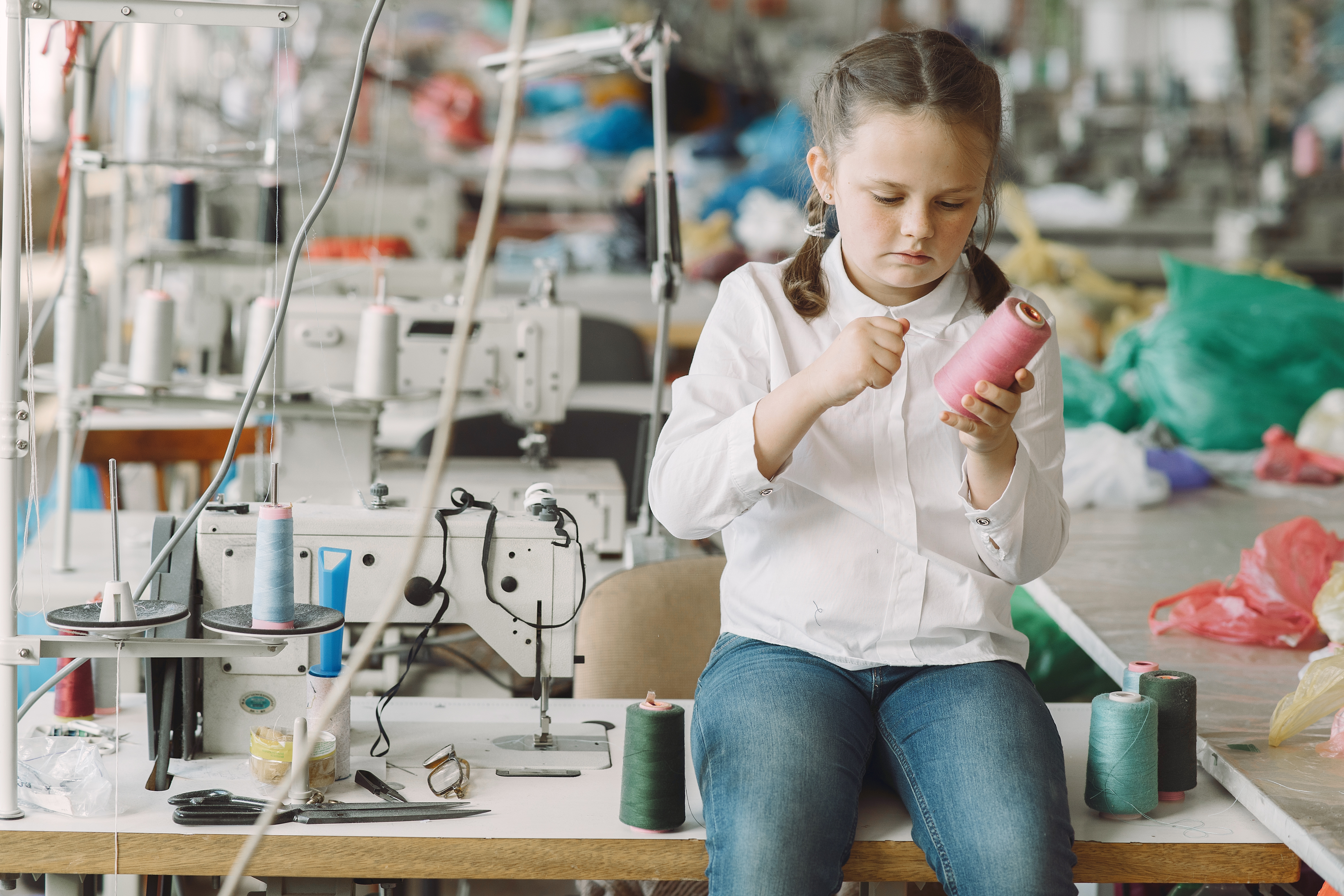
"We visited a student's home where the family runs a farm. We explored farm life, observed horses and sheep, and learned about the growth of sea buckthorn and its uses."
Policy Recommendation
💡 Fostering openness and recognition for families and communities can strengthen these partnerships, for example through recognition schemes, quality labels, or local awards for organisations that collaborate with schools.